Subject: Global Education
Grade: Secondary Level
Duration: 90 minutes
1. Target Outcomes:
1.1 Cognitive Process Outcomes:
The outcomes of the center discipline:
- recognizing a
variety of concepts and issues related with activism and empathy in society
1.2. Social Product Outcomes:
●
Students will be able to
open up and talk about their own experiences using More Than One Story
cards .
●
Students will develop
skills such as empathy, activism and critical thinking .
● Students
will learn how to awake understanding
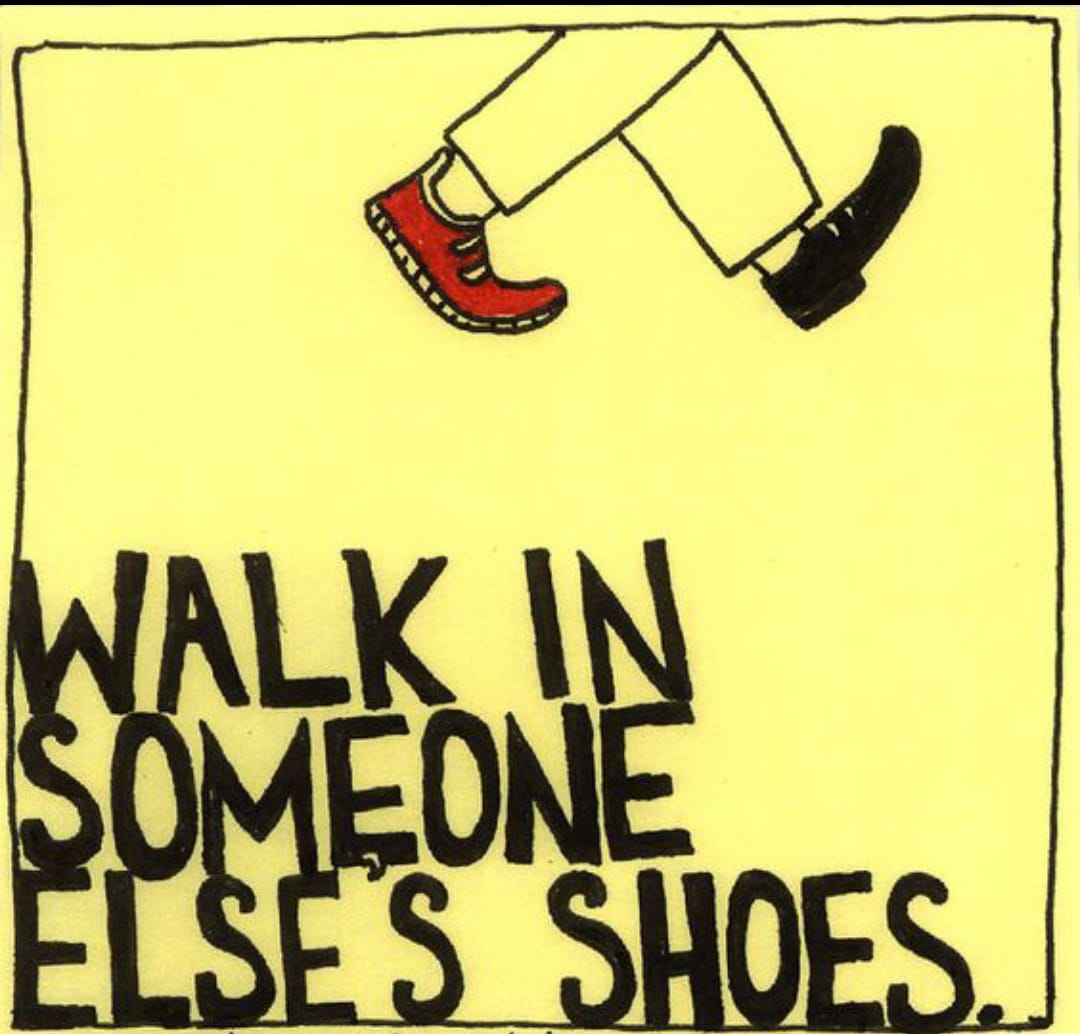
and appreciation for the unique experiences of each person by walking in someone else’s shoes.
2. Materials Used:
|
1. Whiteboard
2. More than
One Story cards
3.
Role-play (optional)
|
3. Resources
|
- human
resources: students, teachers
-
informational resources: internet
- forms of
organizing the activity: frontal, individual, in groups
https://www.morethanonestory.org/en
|
4. Learning Methods and Techniques
|
-conversation,
observation, role playing, critical thinking
|
5. Groups Considered to be Formed
During the Activity:
|
-students are
divided into heterogeneous groups - girls and boys
- the number
of the students per group depends on the task
|
6. Implementation
Phase;
|
6.1 Preparation Phase:
- students
are divided into four work groups, 5 students/group
- each group
chooses a group leader who will present the solutions/solving tasks to the
class
- at the
level of each group, an editor is selected who will mark the completion of
all tasks.
6.2: Presenting the problem situation
to the students:
Introduction (10 minutes):
- Begin the lesson by discussing the issue of having to migrate
somewhere else in general and the issue of refugees in particular.
- Explain the importance of
having skills such as activism and empathy in dealing with such
issues.
- Introduce the concept of empath as an effective strategies for
dealing with the issue of migrants/refugees.
Activity 1: Understanding the Other by
walking in his shoes (30 minutes):
- Students are engaged in discussion by being divided into groups. .
- Each student takes one card from the More Than One Story card set
where tasks are written in different languages. Each student talks about
his/her task like for example what he/she feared in his/her childhood.
The other participants listen to each other’ stories and practice
acceptance, tolerance and imagining themselves in someone else ’s shoes.
After the end of all students’ tasks, empathy and activism are discussed
in order for students to understand and develop those skills for better
understanding and acceptance of other people.
- Reasons for migrations and refugees are introduced such as war,
famine, or simply looking for better life opportunities in order for
students to gain insight into critical thinking and looking for causes
of problems.
- Concepts of More Than One Story
cards are discussed such as to build bridges between people of all ages,
backgrounds and cultures. .
- Students are again divided into small groups to discuss different
perspectives from the tasks written on cards and exchange opinions and
ideas about them. They are encouraged to take into account different
points of view and find a common solution.
- Each of the group presents their own opinion about tasks from More
Than One Story cards and about the topic of refugees/migrants. .
Activity 3: Role-Play and Conflict Resolution (30 minutes):
- Students are divided into
small groups with each student having one card. By combining tasks from
cards within the group, each group creates one role play. .
- Students practice skills such
as imagination, story- telling and creativity in order to start the
story for the role play.
- They are taught to listen to each other’s ideas , suggestions and
inspiration.
- After the role-plays are done, solutions for refugee topic are
sought to be found.
- In the end comments about
More Than One Story cards are provided by students
- Pre-activity and
post-activity feelings and judgement about refugees/migrants are
discussed and if there are any differences, they are discussed. .
6.3 Evaluation:
- Students’ participation is observed during the lesson..
- The level of empathy and
activism of students are evaluated.
- Potential students’ suggestions
or critique are taken into account
while empathy and activism are promoted.
|