
LESSON PLAN 16: CREATE YOUR OWN TIMELINE
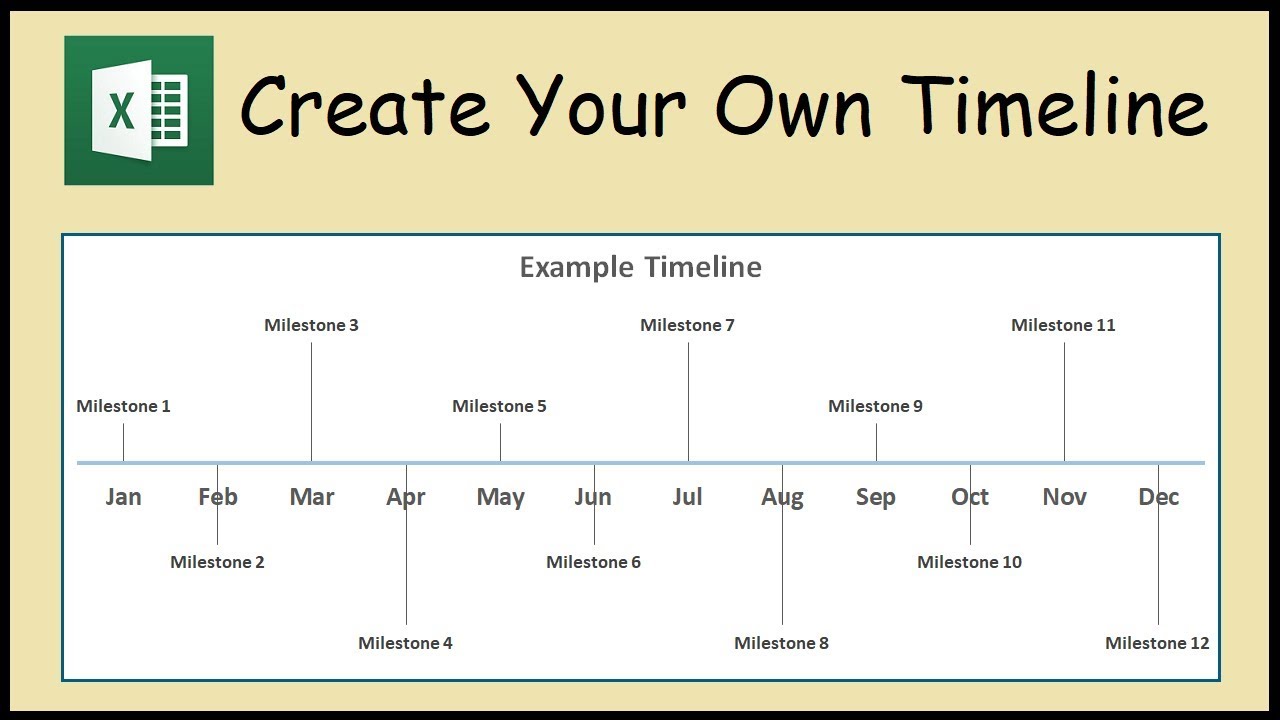
LESSON PLAN 16: CREATE YOUR OWN TIMELINE

TOPIC: Self Management
Event NAME: Create Your Own Timeline
Purpose/OBJECTIVE:
• To explain to students how to manage time better and to develop their skills in creating a daily routine.
Age range: 8-11
Location: Classroom
Duration:80 minutes
Achievements
-Participants become aware of their feelings and thoughts.
-Improves participants' sense of self-confidence and self-efficacy.
-The individual's self-confidence improves.
-Having self-awareness skills improves an individual's social emotional skills.
-Improves self-management skills.
Materials:
a big sheet of paper
Colored pencils or paint
Hour signs (such as 12, 3, 6, 9)
Glue
Pictures cut from magazines (representing events)
METHOD-Technique: Creative Drama, role playing, Pomodoro Technique, Time Management, Workflow Management, Feedback
Preparation Warm-up Phase
Participants are briefly explained what self-management is and why it is important. How they can use time better in their daily lives is discussed by giving examples.
Activity 1: "Create Your Own Timeline"
-Participants are given a large sheet of paper and asked to draw a clock face on it.
-They are asked to color the clock face using colored pencils or paint.
-Add hour markers (such as 12, 3, 6, 9).
-Participants are asked to think about their daily routine. They are asked to indicate what time they woke up, activities such as going to school, playing games, eating, and studying.
-Have them find pictures cut from the magazine that represent each activity and paste them on the relevant parts of the clock.
-Participants are encouraged to think about how they can use their time more effectively. When can they spare time to play more games? Which hours should they choose to study better?
-Participants are given time to observe and provide feedback on the timeline they have created, either in class or at home.Bu etkinlik, katılımcılara zaman yönetimi ve öz yönetim becerilerini eğlenceli bir şekilde öğrenmelerine yardımcı olur.
Activity 2:
Activity Name: "Managing My Emotions"
Purpose: To enable participants to develop emotional awareness and self-management skills.
• Materials:
• Paper
• Colored pencils or paint
• emotion cards
• Pictures cut from magazines (representing events)
Event Description:
Inner Circle and Outer Circle Drawing: Give participants a piece of paper and pencils. In the inner circle, they may list emotions they frequently feel in their daily lives (e.g., happiness, anger, sadness). In the outer circle, they are asked to write strategies on how to manage these emotions.
Emotion Recognition Game: Participants are shown emotion cards representing different emotions. They are asked to correctly identify which emotion matches which expression or picture. By discussing the correct answers, they are helped to understand how emotions are expressed.
Keeping an Emotion Diary: Participants are given the task of keeping a diary in which they can write down their emotions daily and how they try to manage these emotions. Progress is tracked by reviewing these logs weekly.
Emotion Management Roles: Create role-play scenarios that portray different emotional states. Participants are asked to think about how they would react and manage their emotions in each scenario.
Strategy Sharing: Participants are encouraged to share information about self-management strategies. Each participant is allowed to share with the group the self-management strategy they find most effective, allowing them to learn from different perspectives.
These activities help participants increase their emotional awareness and manage their emotions in a healthier way.
Interim Evaluation:
At the end of the activities, students are given time to discuss how they found the experience, time management, and how helpful this activity was in understanding others' emotions.
NOTES TO THE TEACHER:
⦁ It is important to ensure that students feel emotionally comfortable during the activity. If any students feel uncomfortable, do not push them and provide a supportive environment.
⦁ These activities can be a starting point for participants to improve their emotional awareness and self-management skills. It can be helpful to add emotions that represent different cultural, social, and life experiences. Understanding and sharing emotions in a fun way will help students improve their social relationships and become more sensitive individuals.
2. ANIMATION:
Participants are invited to the circle. Participants are divided into small groups equal to the number of role-play scenarios prepared in advance. The following role-play scenarios are distributed to each group. In order to encourage them to think and feel in these roles, they are asked to prepare an animation based on role-play scenarios. Participants are given time to prepare. Group members then role play with each other, trying to understand each character's feelings. Reenactments are watched.
Interim Evaluation:
How did you feel while watching the reenactments?
How would you act if it were you? You are encouraged to think about the subject by asking questions such as:
Sample role scenarios:
⦁ Scenario: Exciting Moment: Can (age 9) was going to take the stage for the school's end-of-year event. His hands were shaking with the excitement of going on stage, and he wanted to rehearse constantly. .
⦁ Scenario: Scary Moment: Murat (10 years old) was very scared when he heard that he would receive his exam results in class. He was worried about what would happen if he got a bad grade on the exam.
⦁ Scenario: Disappointment: Deniz (age 9) was disappointed when he did not receive the toy he expected as a gift on his birthday. His eyes started to water and he started to look down.
INTERMEDIATE EVALUATION: At this stage, in-depth information is provided on the basic principles of emotion recognition and emotion management. (Teacher) Discusses why recognizing emotions and managing emotions are important, human nature and their behaviors when communicating. Participants are presented with examples to help them understand the relationship between recognizing emotions and managing emotions. Participants are asked to give examples from their immediate surroundings.
EVALUATION;
Participants were asked: Why is self-management important in our lives? After the answers are received, the participants are asked to write a short story explaining why self-management is important in daily life.
The written stories are read to the whole class and the importance of self-management in daily life is discussed based on the stories.